
Grease! Things That You Might Not Know
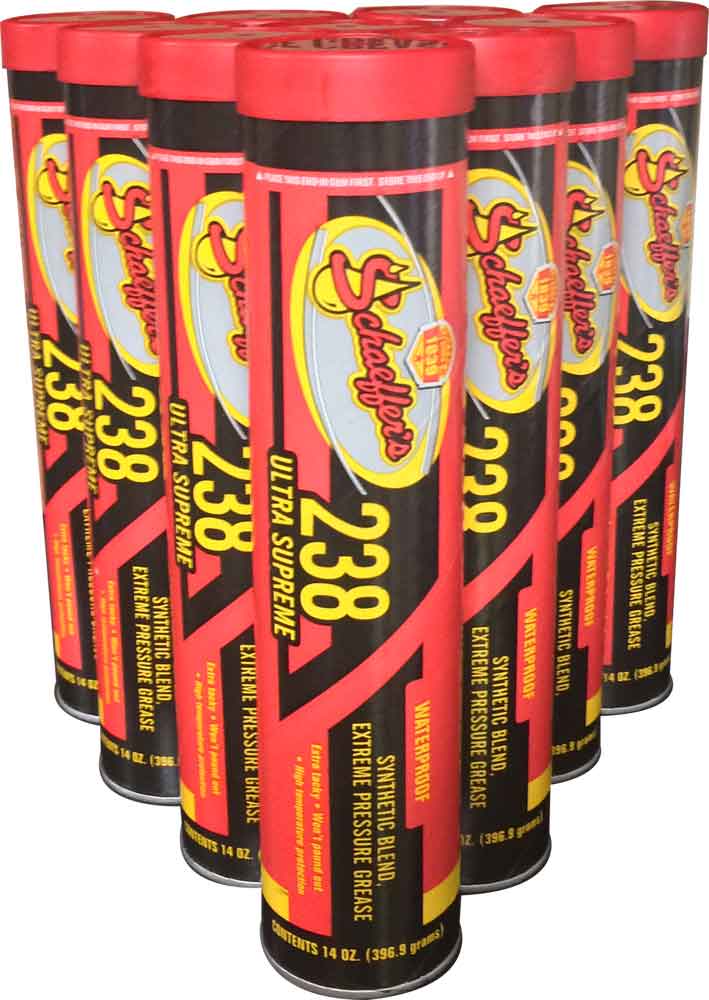
What You Should Know Before Buying Grease
Most people don't give grease much thought — but the differences between formulations can have a significant impact on heavy equipment performance, maintenance costs, and component lifespan. Here's a closer look at what separates average industrial grease from an exceptional one.
The Role of Moly
One ingredient that distinguishes many premium greases is molybdenum disulfide — commonly known as moly. This metallic compound delivers outstanding extreme-pressure and anti-wear protection, making moly grease a go-to choice for heavily loaded or high-stress applications in automotive components, mining, and agricultural equipment.
Why the Thickener Matters
The thickener is the structural backbone of any grease, and its composition has a direct effect on performance. While lithium-based thickeners are the most common and cost-effective option, they aren't always the best grease for heavy machinery or demanding industrial applications.
Aluminum complex grease offers superior mechanical stability, excellent water resistance, and strong adhesion properties. It performs exceptionally well under extreme pressure, making it a reliable choice for heavy equipment, automotive components, and high-load industrial applications.
Bentone-based grease is engineered for chemical stability in harsh environments — particularly where exposure to high heat, acids, alkalis, or corrosive substances is a concern. Its unique structure allows it to maintain consistency across severe temperature fluctuations, making it one of the top choices for high-temperature industrial grease applications.
The thickener also influences compatibility with seals and other materials, which can directly affect equipment longevity and reduce the frequency of maintenance.
Understanding NLGI Grease Grades
The NLGI grade is a standardized measure of grease consistency, and selecting the right grade for your application is essential.
- Higher grades (e.g., NLGI 2, 3) are better suited for slow-moving, heavily loaded equipment
- Lower grades (e.g., NLGI 0, 00) flow more freely, making them ideal for high-speed applications or centralized lubrication systems where pumpability is critical
- NLGI grade 2 grease is the most widely used general-purpose grade due to its versatility across a broad range of conditions
Operating temperature is another key factor when choosing the right grease for equipment. Some greases soften or harden significantly with temperature changes, which can compromise their effectiveness. The base oil viscosity within the formulation should also align with the NLGI grade — this balance ensures consistent lubrication performance across varying operating conditions.
What to Look for in a Quality Grease Manufacturer
A reputable industrial grease supplier doesn't just make performance claims — they back them up with data. Quality formulations are put through rigorous testing covering consistency, wear protection, oxidation resistance, water washout resistance, and dropping point (the temperature at which a grease begins to break down). A manufacturer worth working with will provide the actual test results, not just assurances, so you can make an informed purchasing decision with confidence.
Find the Right Grease for Your Equipment
Understanding what goes into a grease formulation is the first step toward choosing the right product for your specific application. Shop our full selection of premium grease lubricants at Buy1Oils — including aluminum complex, bentone-based, moly grease, and more — and find the formulation that fits your equipment's needs.
Recent Posts
-
Grease Compatibility Chart: Why Mixing Greases Can Damage Equipment
Grease is grease, right? Not quite. Mixing the wrong types can turn your wheel bearings into a mess …1st Apr 2026 -
Buying Lubricants Online: What to Look For and What to Avoid
Shopping for engine oil online has never been easier — but it's also never been easier to end up wit …29th Mar 2026 -
The Benefits of Moly: Why Molybdenum Disulfide Makes a Difference
Inside your engine, metal parts are constantly fighting friction. Moly is one of the most powerful w …26th Mar 2026