
Six Things About Grease That May Surprise You
Whether you're an industry veteran or a heavy-equipment newbie, you deal with grease on a daily basis. But unless you've ever been involved with the grease manufacturing process, there are things you probably don't know about it.
Here are 6 things that may surprise you about greases:
1. It’s not the same as oil.
Sure, grease and oil are both used to lubricate things, but they're not interchangeable! If you tried to use oil in a high-pressure machine, there's a good chance it would be squeezed out under all the pressure. On the other hand, grease is thicker, so it won't leak, drip, or slide off.
2. It’s made up of three different things.
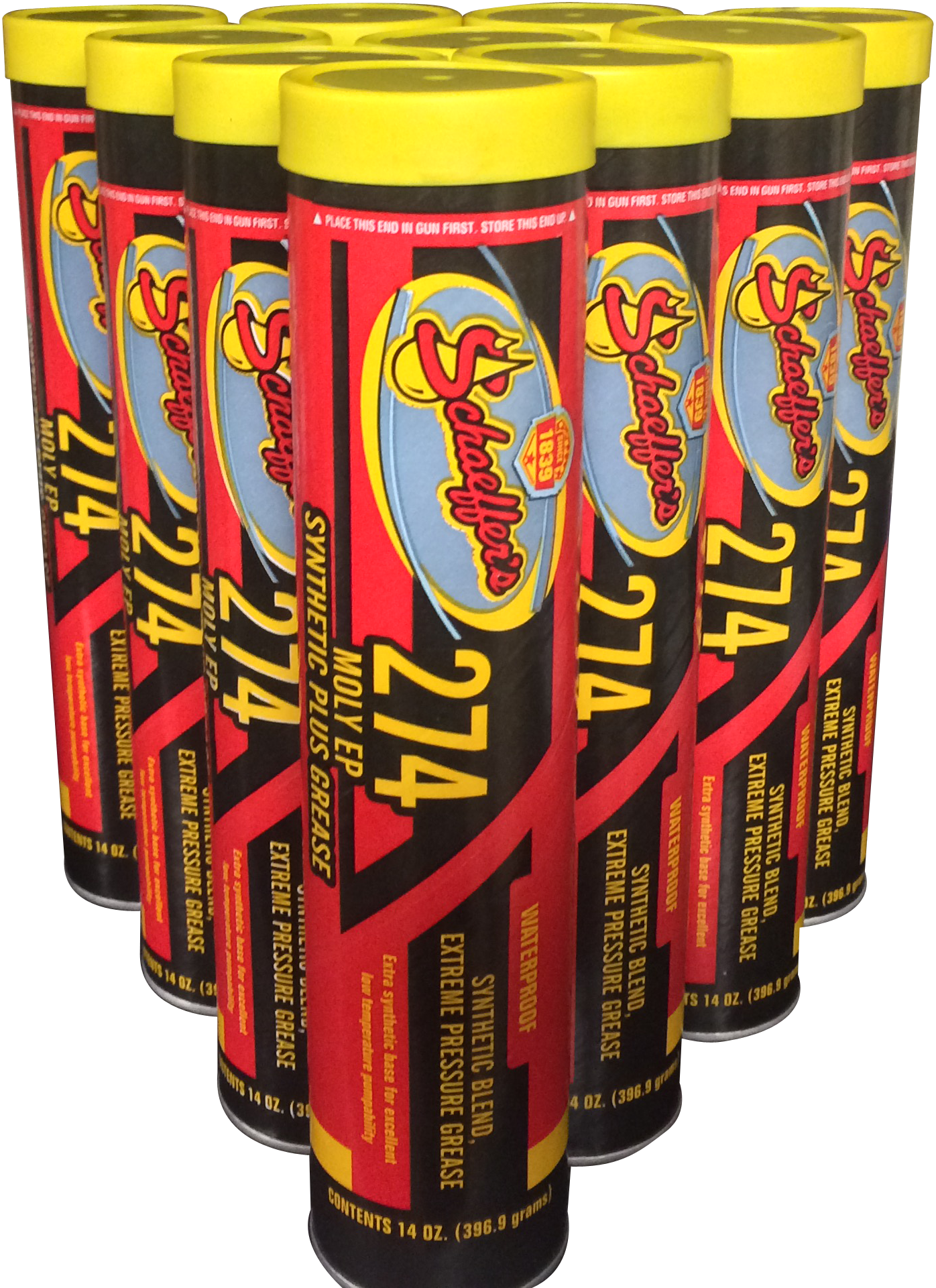
No matter who you buy your synthetic grease from, the "recipe" will contain three essential components -- a base oil, a thickener, and additives. Your grease's appearance will be most affected by the type and the amount of thickener used. While the way your grease performs will depend mainly on the base oil and additives that the manufacturer uses.
Grease's performance can vary widely because there is a near-endless array of additives to choose from. For example, grease may contain additives that make it more resistant to friction or may enable it to work in very moist environments.
3. Synthetic base oils come with their own specific benefits
If your equipment operates at very high or low temperatures, synthetic grease may be the best choice. That's because synthetic base oils have more stability when heated and cooled than mineral base oils do.
4. It's got its own type of viscosity
Yes, "viscosity" is an oil term, and we've already talked about how oil and grease aren't interchangeable but stick with us on this one. You'll often hear synthetic grease manufacturers talk about "pump-ability" -- or the way the grease flows through lines, nozzles, and other fittings. The easier it is for the grease to flow, the more pump-ability it has. It's not exactly the same as viscosity, but it's a similar measure that's just as important to how it performs!
5. It can prevent bacteria from forming
Depending on the additives used, your synthetic grease can prevent bacteria from forming inside your equipment -- something that's vital if your equipment is used for food preparation and packaging! The grease won't sterilize your equipment (you'll have to use something else for that), but the USDA and the FDA have said that some grease additives can inhibit the growth of bacteria, yeast, and mold growth.
6. It's tested… and then tested some more
Ask a good grease manufacturer for the technical details of the specific grease you're thinking of buying, and you'll see that it's gone through a variety of different tests. Everything from the thickness to the oxidation prevention properties to the way the grease changes or, better yet, doesn't change under certain conditions.
A good manufacturer won't just tell you about these tests, though. Instead, they'll actually give you the results! That way, you can rest easy knowing that your grease is capable of everything its manufacturers claim.
Find premium greases for sale here every day at stores.buy1oils.com
11.21.22
Recent Posts
-
How to Tell When Your Hydraulic Fluid Needs Changing
Whether you're running a skid steer on a job site, a log splitter on your property, or heavy equipme …8th Jun 2026 -
Why Heat is the Enemy of Lubricants (and what you can do about it).
Why Heat is the Enemy of Lubricants (and what you can do about it). Every lubricant — whether it's t …27th May 2026 -
The Real Cost of Cheap Oil: Why Premium Lubricants Pay for Themselves
The Real Cost of Cheap Oil: Why Premium Lubricants Pay for Themselves Every fleet manager, maintenan …27th Apr 2026